
Vazis Xidi
Vazis Xidi
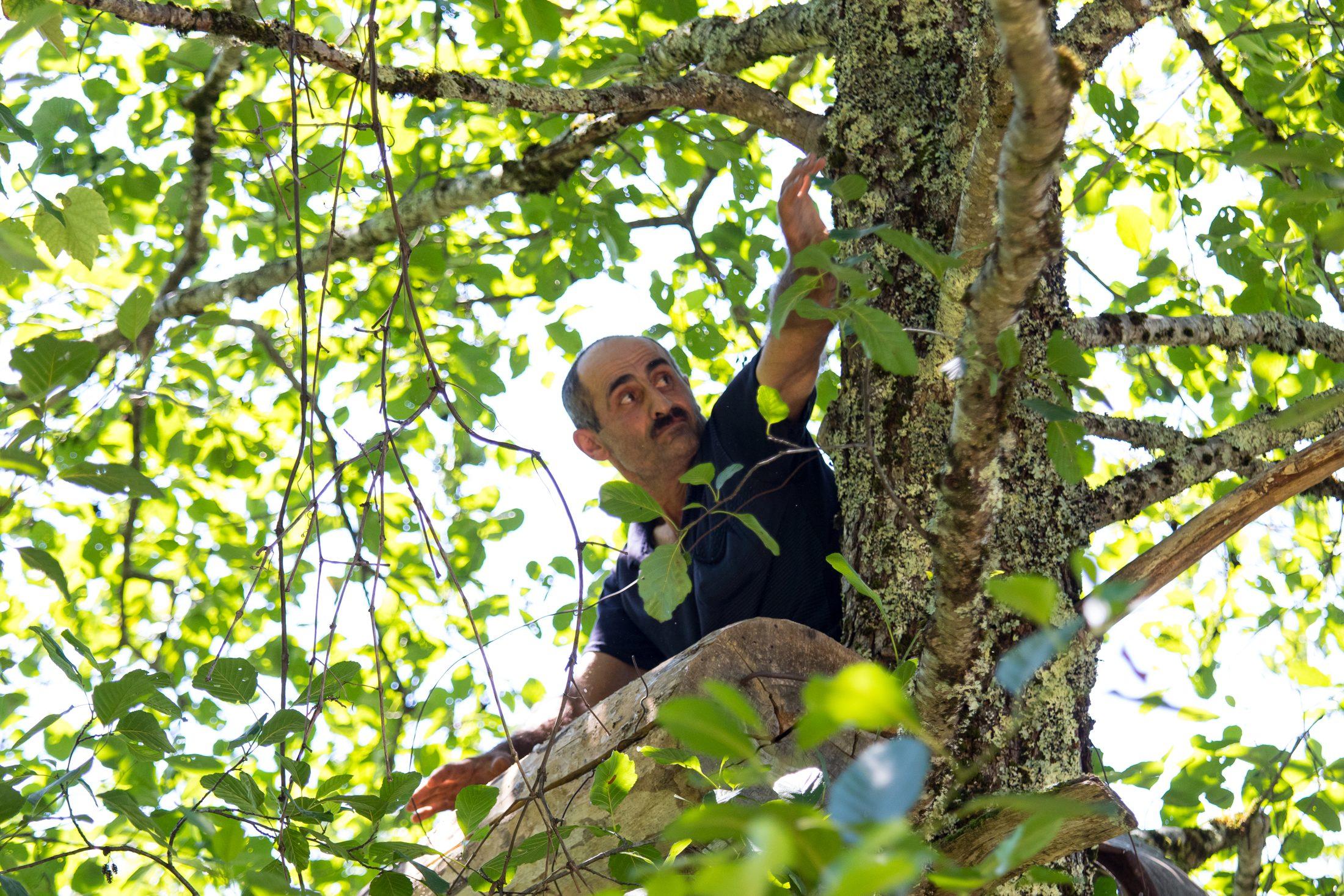
A beekeeper high in a tree beside a Jara hive in Adjara

Wild honey from the mountains of Western Georgia

JARA Honey

JARA is a wild honey from Adjara, in the west of Georgia. It takes its name from the Jara, a beehive made from a hollowed log. Only a few beekeepers in remote mountain villages still work this way. This page explains where the honey comes from and how it is made.

1
harvest a year
70–120 cm
length of a Jara
up to 19 kg
honey per hive and season
1,200 m
altitude of the cliff hives
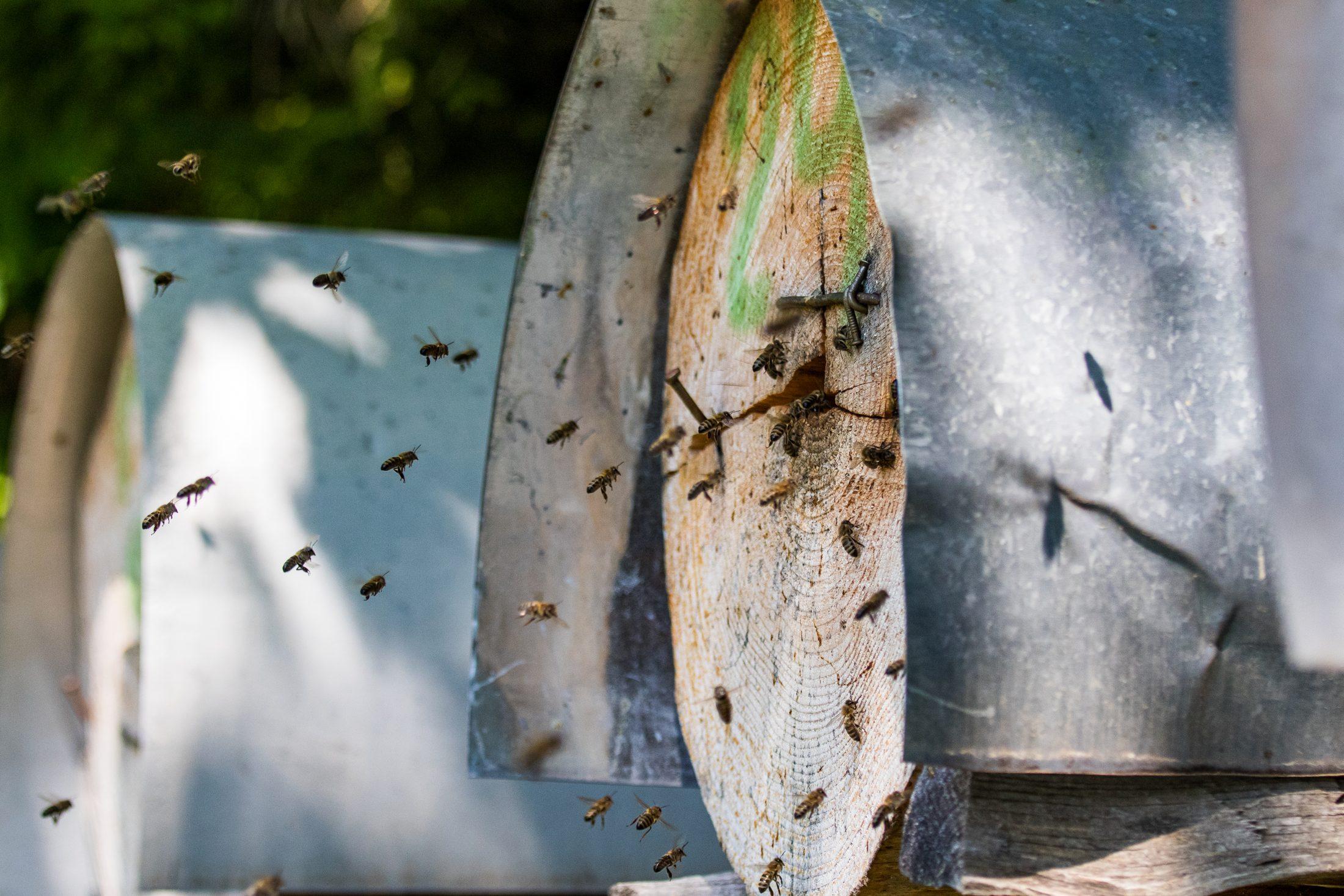
Bees flying to the entrance of Jara hives made from hollowed logs

A beehive made from a tree

A Jara is a beehive made from a hollowed log, split lengthwise in two. It copies the place where bees live in nature: the hollow of a tree.

It is usually carved from linden wood, which is light and has no smell of its own to disturb the bees. The beekeepers walk four to six kilometres into the forest and choose the trunk with care.

A Jara is 70 to 120 centimetres long. There are no frames inside. The bees move in and arrange the space themselves.

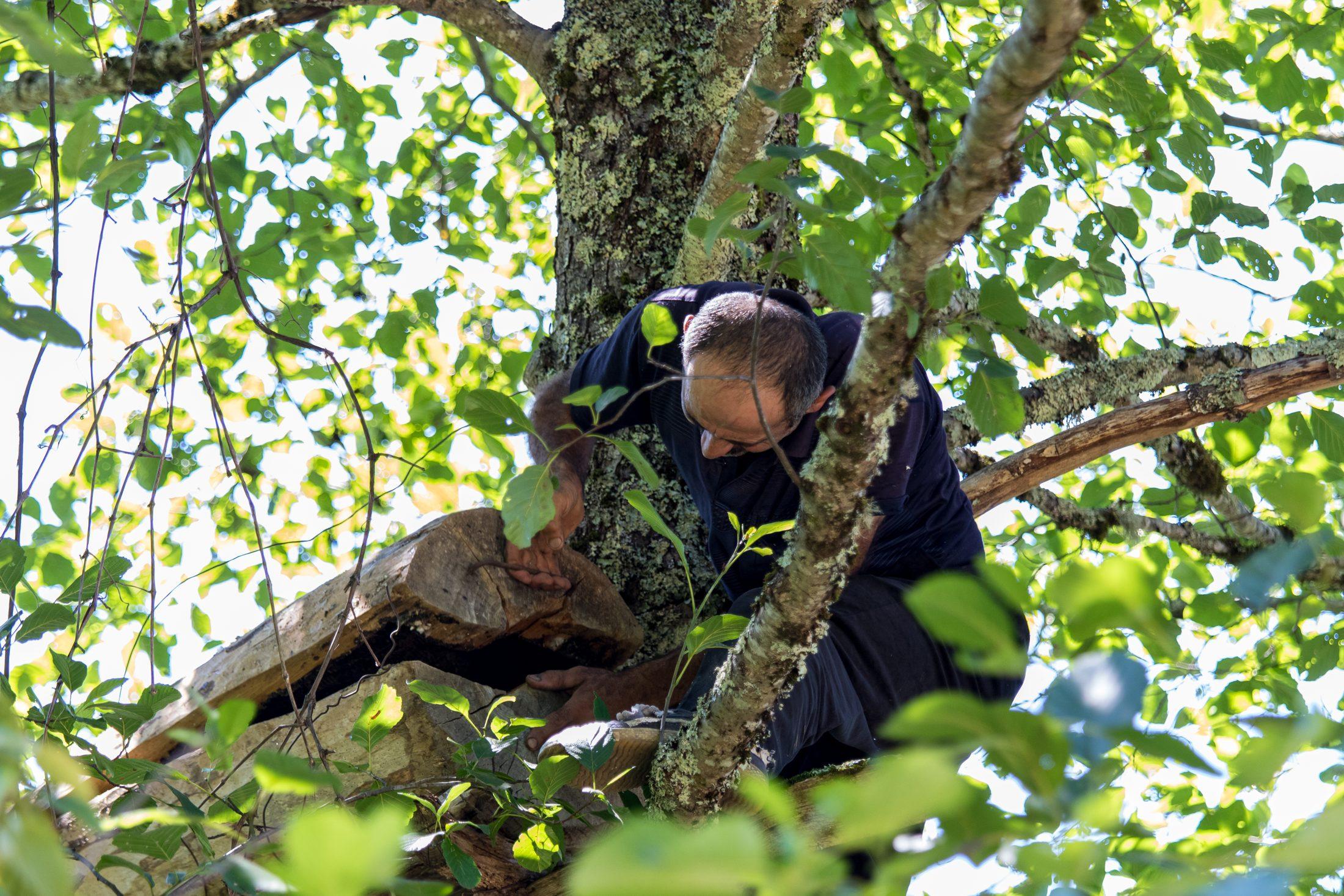
A beekeeper working at a Jara hive high in a tree

Between trees and cliffs

In the past the hives hung high in trees, four to five kilometres from the village. There they were safe from bears and other animals.

The safest place is the rock face, on wooden supports at about 1,200 metres. It is also the hardest place to harvest.

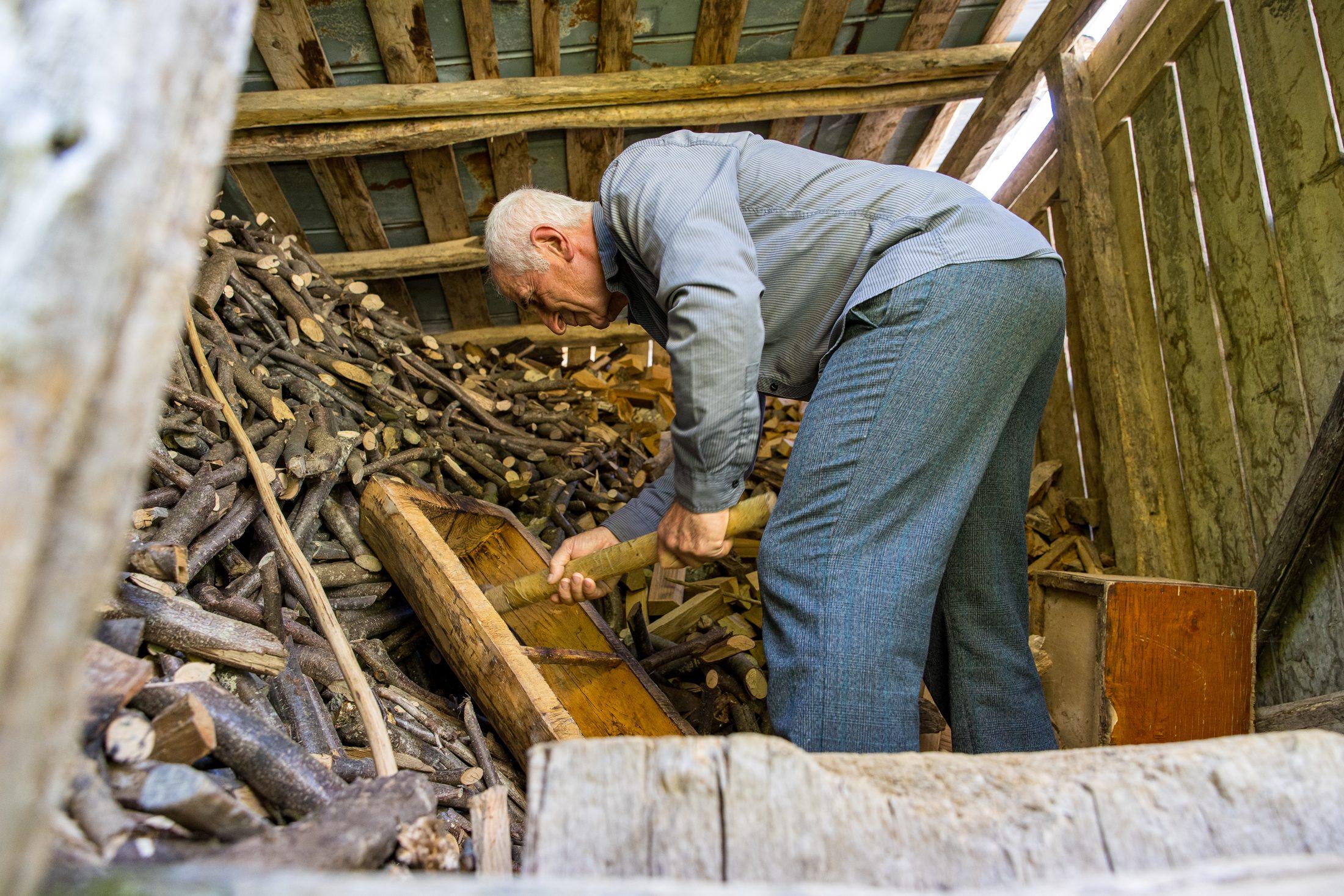
Today many hives stand closer to the houses: in the garden, or under a wooden shelter that protects them through the mountain winter. In some villages they rest on the house itself.

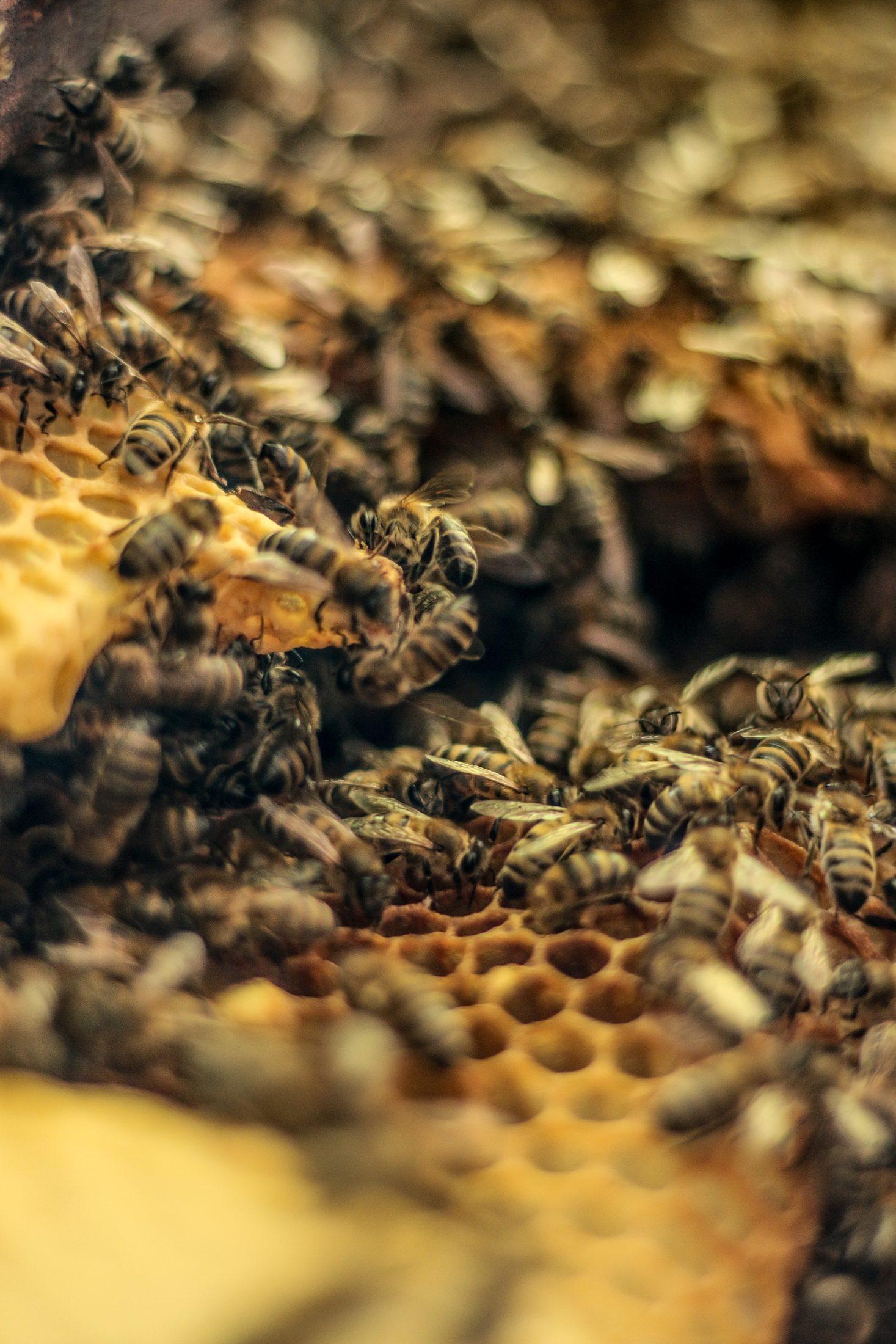
Bees on honeycomb they have built freely

The bees build their own comb

In a Jara the bees build their comb freely, without artificial wax foundation. The comb takes the shape the bees give it.

Its colour changes with what has been in flower: acacia, chestnut, linden and many mountain flowers.

This is the comb you find in JARA Honey Classic. For JARA Honey Noble the honey is cold-pressed from these combs.

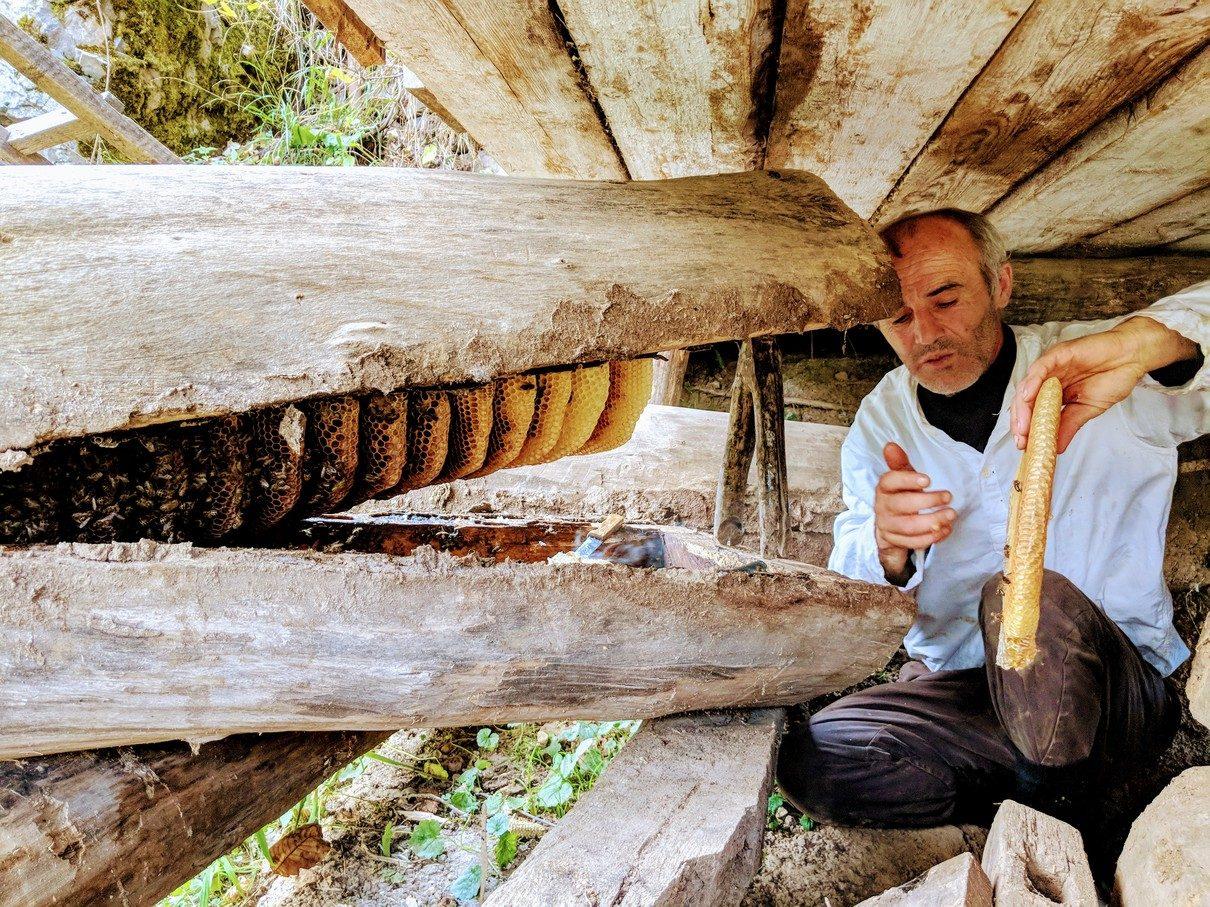
A beekeeper holding a piece of honeycomb beside an opened Jara hive

One harvest a year

The honey is harvested once a year, between October and December, when flowering is over.

The work is far more demanding than with frame hives. As a rule two people harvest together, with an oval knife, smoke and rope. A hive in a tree or on a cliff needs more hands, pulleys and branch ladders.

A divider splits the Jara in two. The beekeeper cuts comb from one half. The other, where the brood sits, is left untouched: that honey belongs to the bees. One hive gives up to 19 kilograms in a season.

A beekeeper hollowing out a split log by hand to make a Jara hive

Keeping a tradition alive

Nobody knows when the first Jara was made. Local tales tell of people who found bees in hollow trees and later began to copy these "bee trees".

With the frame hives of the 19th century the Jara disappeared almost everywhere. In Western Georgia it survived. The Jara Beekeepers Association works to preserve this form of beekeeping.

JARA Honey is produced by its own community of beekeepers and partners in Georgia. Vazis Xidi does not make the honey. We introduce it to our customers in Switzerland.

The Caucasian Grey Bee

Georgia is the homeland of the Caucasian Grey Bee. Its tongue measures 7.2 millimetres on average, over half a millimetre longer than that of other honeybees. It reaches nectar that others cannot.

It flies earlier in the day, later in the evening and in cooler weather. And it is known to be gentle.

Adjara

Adjara lies in the south-west of Georgia, between the Black Sea and mountains of more than 3,000 metres. Forested slopes, deep river gorges and remote villages shape the region.

It is one of the world's 34 biodiversity hotspots: especially rich in species, and especially endangered. Many plants and animals survived the Ice Age here.

JARA – 100% Wild Honey

Discover the people, places and traditions behind JARA.